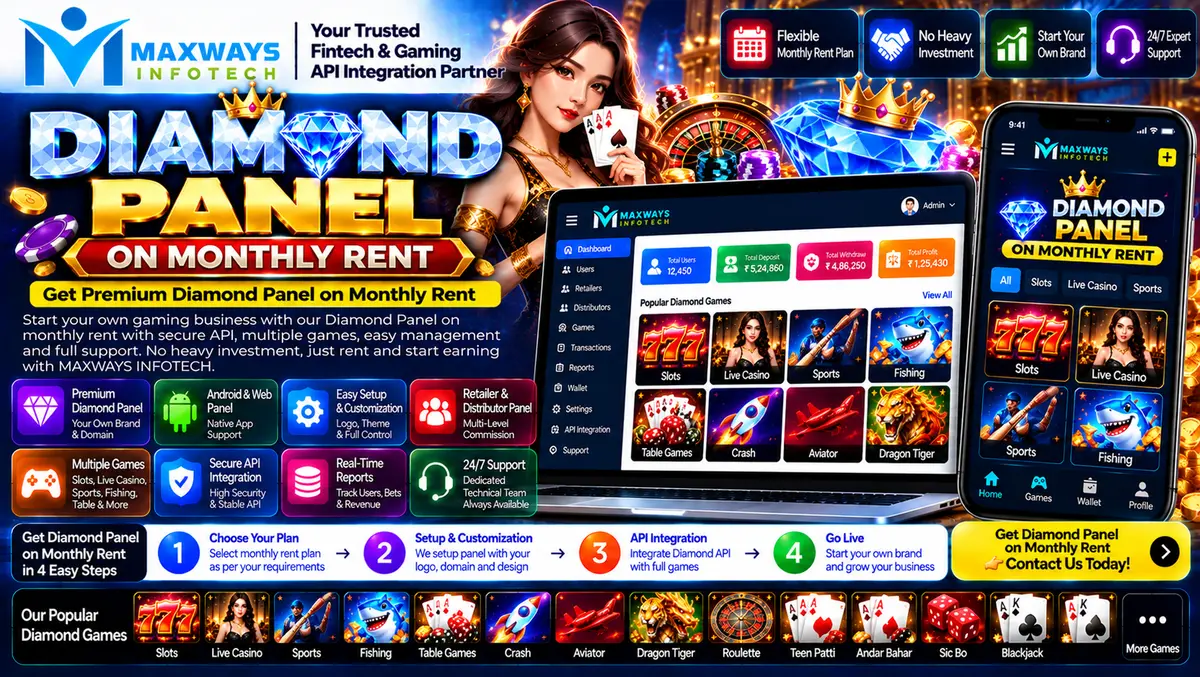
Learn how to evaluate Diamond Panel on Monthly Rent, compare subscription costs, review included features, check support terms, and assess provider contracts.
Diamond Panel on Monthly Rent: Pricing, Features and Provider Evaluation
Searching for a Diamond Panel on Monthly Rent usually means looking for a software panel available through a recurring payment arrangement instead of a large upfront purchase. Monthly pricing can make costs easier to plan, but the value of a subscription depends on what the provider includes, which services cost extra, and how the agreement handles support, upgrades, and cancellation.
The term “Diamond Panel” may refer to different products or vendors. Before choosing a subscription, confirm the exact software, its intended use, the provider’s identity, and the features included in the monthly fee.
This guide explains how to compare monthly pricing models, assess the total cost of ownership, and review the terms that matter before committing to a software subscription.
What Does a Monthly-Rent Panel Mean?
A monthly-rent software model typically gives a customer access to a platform for a recurring fee. Depending on the agreement, the provider may also include hosting, maintenance, technical support, updates, or selected configuration options.
Unlike a one-time software purchase, a subscription creates an ongoing financial commitment. The business should therefore understand both the initial setup costs and the expenses that continue each month.
A monthly price alone does not show whether a package is suitable. Two providers may charge similar amounts while offering different support levels, usage limits, customisation options, and data access rights.
What Should Be Included in the Monthly Fee?
Before comparing offers, request a written breakdown of the package.
1. Software Access
Confirm which modules, dashboards, and administrative functions are included. Ask whether access is limited by the number of users, supported devices, data volume, or other usage conditions.
Do not assume that every advertised feature is available in the lowest-priced package.
2. Hosting and Maintenance
Some subscriptions include hosting and routine maintenance, while others charge separately for infrastructure or technical services.
Ask who manages software updates, monitors service availability, applies security patches, and responds when the platform experiences an interruption.
3. Technical Support
Support arrangements can make a substantial difference to the practical value of a subscription.
Check the provider’s support hours, communication channels, expected response times, escalation procedure, and whether assistance with integrations is included.
An advertised support service should be evaluated against its written terms rather than informal promises.
4. Customisation and Additional Work
Branding changes, new reports, integrations, and specialised workflows may fall outside the standard package.
Ask for a price list or written estimate for additional work. This helps prevent a low monthly subscription from becoming expensive once the project requires changes.
5. Data Access and Export
Understand what happens to business data if the subscription ends. Check whether records can be exported, which formats are supported, whether export fees apply, and how long the provider retains data after cancellation.
Data access should be addressed before signing the agreement, not left until the business wants to move to another provider.
How to Calculate the Real Monthly Cost
A subscription should be evaluated using its total cost, not just the headline price.
A simple budgeting formula is:
Total first-year cost = setup fees + 12 monthly payments + additional service charges + applicable taxes.
For example, suppose a hypothetical software subscription costs ₹8,000 per month, with a one-time setup fee of ₹5,000 and additional services costing ₹12,000 over the year.
These figures are illustrative only, not an actual Diamond Panel provider quote. Ask the vendor for its current prices and confirm which taxes and services apply.
When comparing providers, use the same evaluation period and include recurring charges, optional features, support costs, and any minimum contract commitment.
Monthly Subscription vs One-Time Purchase
Different pricing models suit different business requirements.
A monthly plan is not automatically cheaper. Compare the total cost over the expected period of use and check whether you retain access to the software, configuration, and data if the contract ends.
Questions to Ask Before Renting a Diamond Panel
A structured checklist can help you compare providers fairly.
Product identity: What is the exact product name, and who is the legal supplier?
Included features: Which modules and functions are included in the quoted package?
Payment terms: Is billing monthly, and is there a minimum contract duration or deposit?
Renewal policy: Does the subscription renew automatically, and how much notice is required to cancel?
Support: Which issues are covered, and are there additional charges for urgent assistance?
Maintenance: Are software updates and security fixes included?
Customisation: Are branding changes and integrations included or billed separately?
Data ownership: Can the customer export its data when the agreement ends?
Service interruptions: What support and remedies are documented for outages?
Exit terms: What happens to accounts, data, and configuration after cancellation?
Request written answers so that the agreement matches the expectations set during the sales process.
Security and Reliability Under a Subscription Model
Recurring payments do not guarantee that a platform is secure or reliable. Those qualities depend on the provider’s actual technical practices and contractual commitments.
Ask how the vendor protects credentials, controls administrative access, manages software updates, backs up data, and responds to security incidents.
The provider should also explain its monitoring and recovery process. For example, the agreement may specify how support requests are prioritised and how customers are informed about planned maintenance.
For platforms handling personal information, review data collection, storage, retention, access, and deletion practices. Keep confidential credentials out of public application code and restrict sensitive administrative functions to authorised accounts.
Legal and Regulatory Considerations in India
If the proposed Diamond Panel is intended for betting, wagering, or online money gaming, legal suitability must be assessed before purchasing or deploying the software.
Paying a monthly software fee, using a third-party provider, or signing a white-label agreement does not by itself make an otherwise prohibited activity lawful. Establish the intended use and applicable requirements before entering into a commercial commitment.
How to Evaluate a Provider Before Paying
A practical evaluation process helps reduce the risk of unexpected expenses.
Step 1: Request a demonstration. Review the actual product rather than relying only on promotional screenshots.
Step 2: Confirm the package. Obtain a written list of included functions, usage limits, and exclusions.
Step 3: Check the contract. Review renewal, cancellation, refund, support, and data-export terms.
Step 4: Calculate the annual cost. Include setup, monthly charges, taxes, integrations, and optional services.
Step 5: Test the software. Where a test environment is available and the intended use is lawful, verify the workflows and technical capabilities required for the project.
Step 6: Keep written records. Save the agreement, invoice, support details, and approved feature list.
These steps help make the subscription decision more transparent and easier to review later.
Explore Software Resources from Maxways Infotech
Businesses researching software platforms and integration requirements can visit the Maxways Infotech website for company information.
For projects involving legitimate payment-related or financial software workflows, the Fintech page may provide relevant background on related technology topics.
Additional software articles and educational resources are available through the Maxways Infotech blog.
Confirm the availability of any specific product, monthly plan, or service directly with the relevant provider. Do not treat the example costs in this article as a published quote.
Frequently Asked Questions
What does Diamond Panel on monthly rent mean?
It generally refers to access to a product called a Diamond Panel through recurring payments. The precise product and included features should be confirmed with the vendor.
Is monthly rental cheaper than buying software?
It can reduce the initial payment, but the total cost depends on subscription fees, setup charges, optional services, and the length of use.
Does the monthly fee always include support and updates?
No. These services depend on the provider’s package and contract. Ask for written confirmation before paying.
What should I check before paying a subscription fee?
Verify the provider, product scope, monthly charges, renewal terms, support, security practices, data-export rights, and cancellation conditions.
Can I cancel a monthly panel subscription at any time?
Not necessarily. Some agreements have minimum terms, notice periods, or cancellation conditions. Read the contract before subscribing.
Conclusion
Choosing a Diamond Panel on Monthly Rent requires a clear understanding of the product, recurring costs, included services, and contract conditions. A low monthly price may be attractive, but it should be weighed against support quality, maintenance, security, data ownership, and exit flexibility.
Request a demonstration, obtain a written price breakdown, calculate the total cost over the expected period, and review the legal suitability of the intended use. A careful evaluation helps businesses make a more informed subscription decision.


