Looking for a Diamond Exchange API integration company? Explore API connectivity, backend development, real-time data support, secure integration, and software solutions.
Diamond Exchange API Integration Company: Services, Features & Development Guide
Introduction
Choosing a reliable Diamond Exchange API Integration Company is an important step for businesses that need to connect software applications with external API services. A well-planned integration can help applications exchange data, communicate with backend systems, and support a maintainable software architecture.
API integration involves more than connecting an endpoint. It requires secure authentication, accurate data mapping, error handling, database configuration, testing, and ongoing maintenance. Businesses should evaluate the API provider's documentation, supported features, licensing conditions, and technical compatibility before starting a project.
Maxways Infotech provides software development and API integration services for businesses exploring customized digital solutions. The right integration approach depends on the application's requirements, the capabilities of the selected API provider, and the intended use.
This guide explains Diamond Exchange API integration, key development services, technology options, security practices, and how to choose a suitable integration company.
What Is a Diamond Exchange API Integration Company?
A Diamond Exchange API integration company helps connect compatible applications with an exchange platform or authorized API provider. Depending on the project, services may include API configuration, backend development, data processing, database integration, website development, testing, and technical maintenance.
An API, or Application Programming Interface, allows different software systems to exchange information through defined requests and responses. A website may send a request to its backend, which communicates with an external service and returns the relevant response to the application.
The actual functionality depends on the provider's documentation, available endpoints, authentication methods, data permissions, and service limitations.
Businesses researching the technology can explore the Diamond Exchange API guide for additional information about API-based software integration.
Services Offered by a Diamond Exchange API Integration Company
1. API Configuration and Connectivity
API configuration establishes communication between an application and an external service. Developers configure endpoints, authentication, request parameters, and response processing according to the provider's documentation.
Testing in an approved development environment helps identify connectivity issues before production deployment.
2. Backend API Development
The backend manages application logic, authentication, database operations, and communication with external services.
Developers may use Node.js, Express, PHP, or Laravel, depending on the existing architecture and project requirements. A modular backend makes individual components easier to test, update, and maintain.
3. Real-Time Data Integration
When supported by the provider, real-time integration may use WebSockets, streaming connections, or other update mechanisms.
Developers should consider connection interruptions, data freshness, duplicate messages, and provider-specific connection limits when implementing real-time functionality.
4. Database Integration
Database integration organizes application settings, records, logs, and other permitted information. Appropriate schemas, indexing, backups, access controls, and retention policies help maintain data consistency.
5. Website and Application Integration
API functionality may be integrated into a new website, an existing web application, or a compatible mobile application.
The work may include frontend development, backend services, authentication, administration tools, and deployment configuration.
For related website development information, read about Diamond Exchange Website Source Code.
6. Testing and Maintenance
Testing helps identify invalid credentials, unexpected responses, timeouts, network failures, and performance bottlenecks.
After deployment, monitoring and maintenance help address provider updates, integration errors, and changing application requirements.
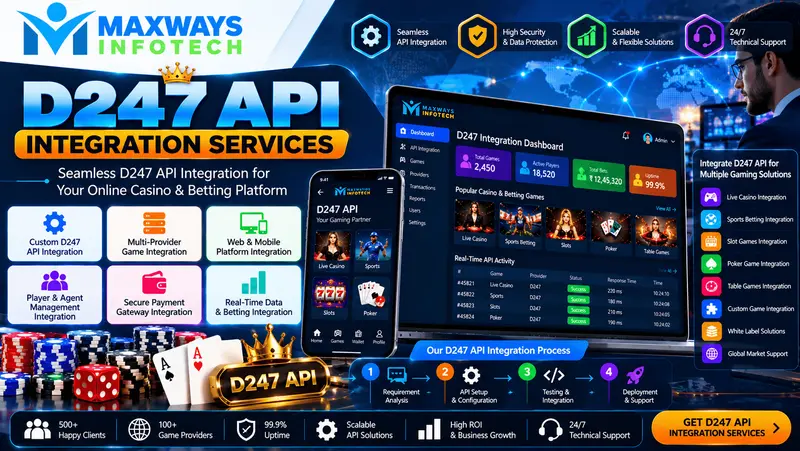
How Diamond Exchange API Integration Works
A structured implementation process helps reduce technical risks and supports long-term maintainability.
Step 1: Requirement Analysis
Define the intended functionality, application architecture, expected traffic, data requirements, and integration dependencies.
Identify essential features and distinguish them from optional enhancements.
Step 2: API Provider Evaluation
Review the official documentation, available endpoints, authentication methods, usage limits, testing access, and licensing requirements.
Confirm that the provider supports the intended application and grants the necessary permissions.
Step 3: Architecture Planning
Plan communication between the frontend, backend, database, authentication layer, and external API provider.
A modular architecture helps developers maintain individual components without unnecessarily rebuilding the entire application.
Step 4: API Development
Implement requests, response validation, data mapping, and error-handling logic. Store private credentials securely on the server rather than exposing them in frontend code or mobile application bundles.
Step 5: Testing and Validation
Test successful requests, invalid credentials, missing fields, rate limits, timeouts, and connection interruptions.
Operations that create or modify records should include suitable duplicate-prevention and reconciliation controls.
Step 6: Deployment and Monitoring
Configure HTTPS, production credentials, database permissions, logging, backups, and monitoring.
After launch, review response times, error rates, connection health, and data freshness to identify problems early.
Technologies Used for Diamond Exchange API Integration
The appropriate technology stack depends on the API provider, existing application, and project requirements.
Node.js and Express
Node.js and Express are suitable for backend API development, asynchronous services, and applications that require efficient request handling.
PHP and Laravel
PHP and Laravel provide tools for structured backend development, authentication, request validation, database operations, and application maintenance.
MySQL
MySQL supports relational data storage, application configuration, structured records, and reporting.
JavaScript and React
JavaScript and React can be used to develop interactive interfaces that communicate with backend services.
WebSockets
WebSockets support persistent, two-way communication when compatible functionality is available from the provider.
Nginx and Cloud Hosting
Nginx and cloud infrastructure can support HTTPS, reverse proxying, routing, and application deployment. Production environments should include appropriate access controls, logging, and monitoring.
Businesses exploring related integration services can also visit Sports Betting API Integration.
Security Best Practices for API Integration
Security should be included throughout the development process rather than added only before launch.
Recommended practices include:
-
Use HTTPS for communication between systems.
-
Store API credentials securely on the server.
-
Apply least-privilege access controls.
-
Validate requests and external API responses.
-
Avoid exposing sensitive information in application logs.
-
Apply suitable request limits and error-handling policies.
-
Separate testing and production environments.
-
Maintain backups and test recovery procedures.
-
Review dependencies and apply security updates.
For applications involving regulated activities or sensitive account information, confirm applicable licensing, privacy, and compliance requirements before deployment.
Common Diamond Exchange API Integration Challenges
Authentication Failures
Invalid credentials, expired tokens, or insufficient permissions can prevent API requests. Developers should validate authentication and handle failures securely.
API Rate Limits
Providers may restrict request frequency or concurrent connections. Request optimization, appropriate caching, and compliant backoff strategies can help manage usage.
Inconsistent Data
Missing fields or unexpected response formats can affect application functionality. Data validation and safe fallback handling help reduce errors.
Connection Interruptions
Network failures can interrupt communication. Where supported, reconnection logic, health checks, and recovery procedures can help restore service.
Performance Problems
Inefficient requests and slow database queries can increase response times. Profiling, indexing, caching, and realistic load testing help identify bottlenecks.
Provider Updates
Changes to endpoints, authentication, or response formats can affect existing integrations. Monitoring official documentation and maintaining an update process helps keep the integration compatible.
How to Choose the Right Diamond Exchange API Integration Company
When evaluating a development company, consider these important factors.
Technical Experience
Look for experience with REST APIs, backend architecture, authentication, database management, and real-time integrations where required.
Clear Project Scope
The proposal should define deliverables, milestones, dependencies, testing requirements, exclusions, and maintenance responsibilities.
Security Practices
Ask how API credentials, application data, server access, and administrative permissions will be protected.
Testing and Documentation
Confirm that delivery includes appropriate tests, integration documentation, deployment instructions, and information about known limitations.
Ongoing Support
Understand how production issues, provider-side changes, and future enhancements will be handled after launch.
For related provider information, explore the Diamond Exchange API Provider guide.
Custom and White-Label Integration Solutions
Businesses may choose custom software development, an existing solution, or a combination of both.
Custom development offers greater control over architecture and functionality but may require more engineering, testing, and maintenance.
White-label software may reduce initial development work when suitable components are available. However, customization options, API access, licensing, source-code ownership, and support arrangements vary by provider.
Businesses considering this approach can review the White Label Diamond Panel page and confirm the available features and commercial terms before selecting a solution.
Why Consider Maxways Infotech?
Maxways Infotech provides software development and API integration services for businesses exploring customized digital platforms.
Before starting an integration project, define the required functionality, review the API documentation, confirm access permissions, and agree on testing, deployment, and maintenance responsibilities.
Visit Maxways Infotech to explore the company's services and discuss your software development requirements.
A clear project scope helps identify technical dependencies, establish realistic deliverables, and select an appropriate implementation approach.
Frequently Asked Questions
1. What does a Diamond Exchange API integration company do?
It helps connect compatible applications with an exchange platform or authorized API provider. Services may include configuration, backend development, data processing, testing, deployment, and maintenance.
2. Can a Diamond Exchange API be integrated into an existing website?
Integration may be possible if the provider supports the required functionality and the existing website's architecture is compatible. A technical assessment can identify necessary changes.
3. Which technologies are used for API integration?
Common technologies include Node.js, Express, PHP, Laravel, MySQL, JavaScript, and WebSockets. The appropriate stack depends on the API provider and application requirements.
4. Does every Diamond Exchange API support real-time data?
No. Real-time functionality depends on the provider. Some APIs support WebSockets or streaming connections, while others use polling or scheduled requests.
5. How can API integration security be improved?
Use HTTPS, protect credentials on the server, enforce access controls, validate responses, monitor errors, and follow the provider's security recommendations.
6. How long does API integration take?
The timeline depends on the API's complexity, documentation, available testing environments, required features, and existing application architecture.
7. Why is API maintenance important?
Maintenance helps address provider updates, compatibility changes, security issues, performance problems, and evolving application requirements.
8. What should be checked before launching an API-integrated application?
Verify functionality, authentication, data permissions, security, performance, monitoring, backups, licensing, and applicable legal or regulatory requirements.
Conclusion
Choosing a suitable Diamond Exchange API Integration Company requires evaluating technical expertise, API compatibility, security, project scope, and ongoing support.
Successful integration begins with clear requirements and verified documentation. It continues through structured development, secure authentication, comprehensive testing, monitoring, and maintenance.
Before selecting a provider, confirm the available functionality, access permissions, commercial terms, and applicable requirements for your intended use.
For businesses exploring customized software development and API integration, visit Maxways Infotech to learn more about its services and discuss your project requirements.